Watch Out for Weever Fish

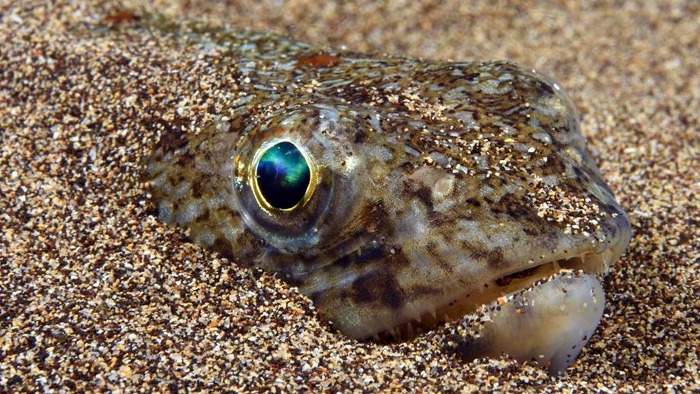
As beach season kicks off in Ireland, there’s more than jellyfish and sunburn to be mindful of — it’s also weever fish season. These small, sand-coloured creatures are well-camouflaged and easily stepped on in shallow coastal waters, making them an unexpected hazard for barefoot beachgoers.
What Are Weever Fish?
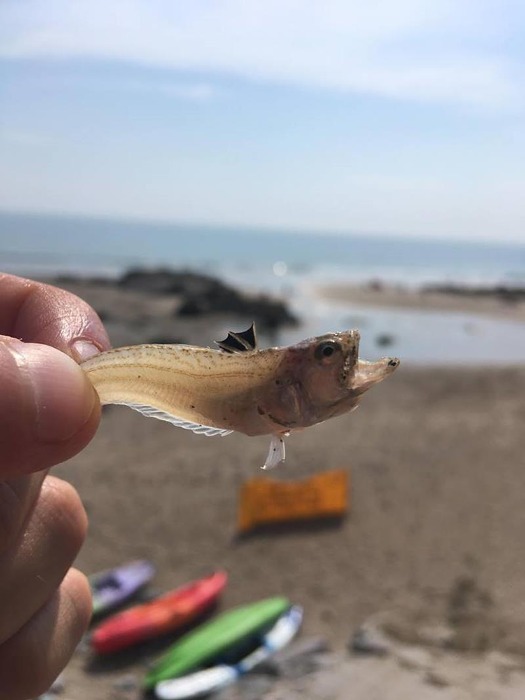
Weever fish, particularly the lesser weever (Echiichthys vipera), are common in sandy shallows around Ireland. They lie buried in the sand with only their spiny dorsal fin exposed. That dorsal fin contains three venomous spines, which the fish uses to protect itself from potential threats — unfortunately, that often means the unintentional foot of a swimmer or paddler RNLI.
These fish are not aggressive. They sting purely in self-defence when someone accidentally treads on them. But the sting can be incredibly painful, sometimes leading to swelling, numbness, and in rare cases, more serious symptoms such as dizziness, vomiting, or even fainting.
When & Where to Be Cautious
-
Low tide is when weever fish are most likely to be lurking close to shore.
-
They thrive in warm, sandy, shallow areas, especially on sunny days when more people are in the water.
How to Stay Safe
-
Shuffle your feet instead of stepping firmly — this alerts any buried fish to move away.
-
Wear water shoes with thick soles. Thin sandals or barefoot walking leaves you vulnerable.
-
If you’re not sure about the safety of a beach, always choose a lifeguarded beach, which will have trained staff and access to first aid (check beaches.ie).
What To Do If You’re Stung
-
Hot Water Treatment
Immerse the affected area in water as hot as you can safely tolerate (around 40–43°C) for 30 to 90 minutes. The heat breaks down the venom’s proteins and significantly reduces pain and muscle spasms — something many have found effective from personal experience. -
Check for Spines
If any spine fragments are visible in the wound, remove them carefully with sterilised tweezers. If unsure, seek help from a healthcare provider or a lifeguard. -
Keep the Wound Open and Clean
Let it bleed slightly and don’t cover it too tightly — this helps reduce the risk of infection. -
Pain Relief and Monitoring
Take over-the-counter painkillers if needed, and watch for signs of allergic reaction or infection. If symptoms are severe (e.g. difficulty breathing, chest pain), call 112 or 999 immediately. -
Report the Sting
You can log sting reports or fish sightings with the National Biodiversity Data Centre to help improve monitoring and awareness across Ireland.
Final Thought
Weever fish stings are unpleasant, but not uncommon — and totally manageable if you know what to do. So don't let them ruin your beach day. Take a few simple precautions, splash smartly, and enjoy Ireland’s stunning coastline with confidence.
Credit for Weever fish on beach picture: RNLI/Derry Salter and Simon Rogerson .
National Marine Aquarium - Meet the Weever fish:
More photos: